Petrol Price Increase in Pakistan: How Rising Fuel Costs Are Quietly Hurting Everyone
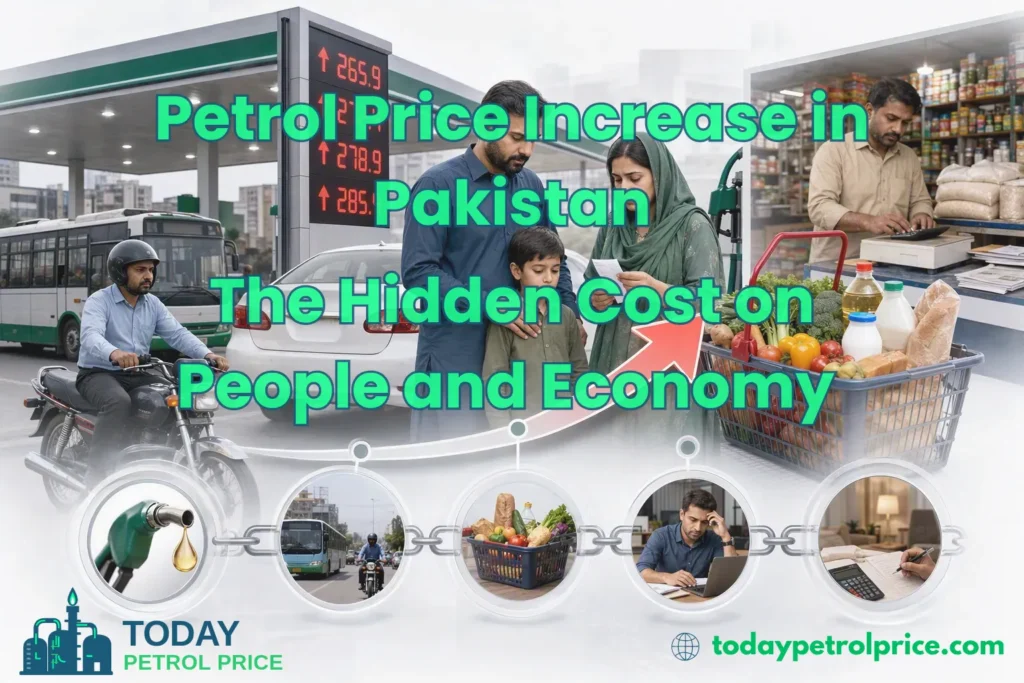
Petrol is no longer just a fuel expense.
In Pakistan, every increase in petrol and diesel prices can travel through the economy in ways that many people do not immediately notice. A small increase at the fuel station can eventually appear in the price of vegetables, school transport, courier deliveries, restaurant meals, construction materials, medicine, and even everyday household services.
That is why the petrol price increase in Pakistan should not be viewed only as a problem for vehicle owners.
It is an economic problem that can affect almost everyone.
As of September 10, 2026, PSO lists Premier Euro 5 petrol at Rs. 367.75 per litre and Hi-Cetane Diesel Euro 5 at Rs. 392.67 per litre. (PSO) These prices matter because Pakistan depends heavily on fuel for transportation, agriculture, logistics, industry, and everyday commercial activity.
The deeper concern is not simply how much more a person pays when filling a motorcycle or car.
The deeper concern is what happens after that extra money leaves the household budget.
When fuel becomes more expensive, people often compensate without immediately realizing it. They reduce savings, delay purchases, cut entertainment, switch to cheaper food, reduce travel, borrow money, or sacrifice other needs.
This is the hidden cost of expensive fuel.
And if increases continue, those small sacrifices can become a serious economic burden.
The Petrol Price Problem Is Bigger Than the Petrol Pump
The direct effect of a petrol price increase in Pakistan is easy to understand when a driver visits a petrol station, fills the tank and pays more. But the indirect effect is much larger.
Now Imagine a farmer transporting vegetables from a village to a city. The farmer needs fuel for machinery or transportation.
- The farmer needs fuel for machinery or transportation.
- The wholesaler needs fuel to move the vegetables.
- The retailer needs transportation to bring them from the wholesale market to the shop.
- The customer then pays for the final product.
The customer may never see a petrol receipt connected to those vegetables. But the fuel cost is already inside the price.
This is how the fuel price impact on the people becomes difficult to see.
Fuel does not need to become part of the product physically. Its cost simply travels through the supply chain.
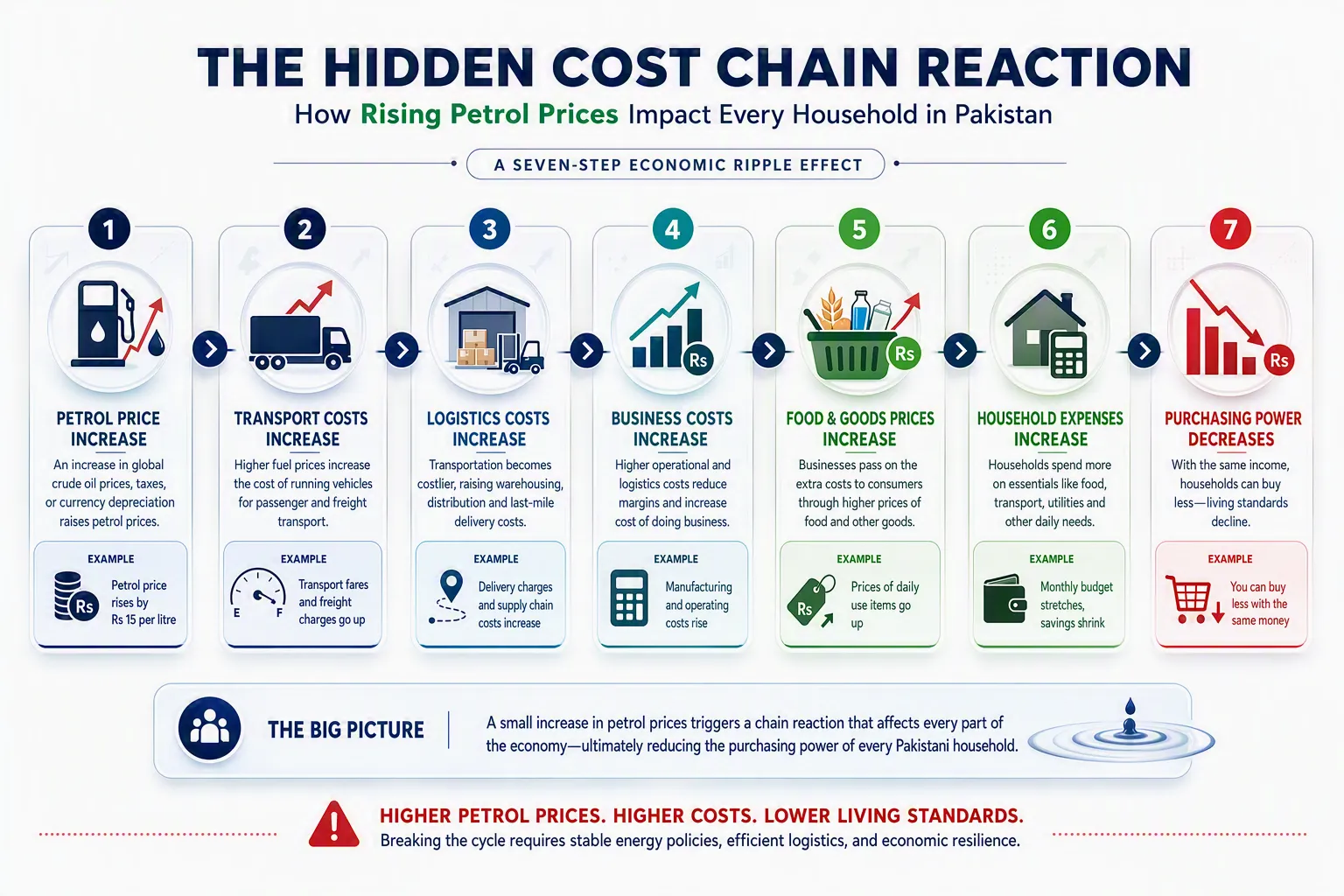
The hidden chain looks like this:
Higher Fuel Price → Higher Transport Cost → Higher Business Cost → Higher Product Price → Lower Purchasing Power → Lower Household Consumption
This chain can affect millions of people even if they rarely drive a car.
This chain explains why the fuel price impact on Pakistan people extends far beyond people who personally purchase petrol.
A petrol price increase in Pakistan can therefore become an economy-wide cost increase.
How Petrol Price Increases Quietly Affect Ordinary People?
The most visible effect is the higher amount paid at the fuel station.
But that is only the First layer.
The Second layer is transportation.
The Third layer is the cost of moving goods.
The Fourth layer is the price businesses charge customers.
The Fifth layer is the reduction in household purchasing power.
This creates a ripple effect across the economy.
1. Transportation Becomes More Expensive
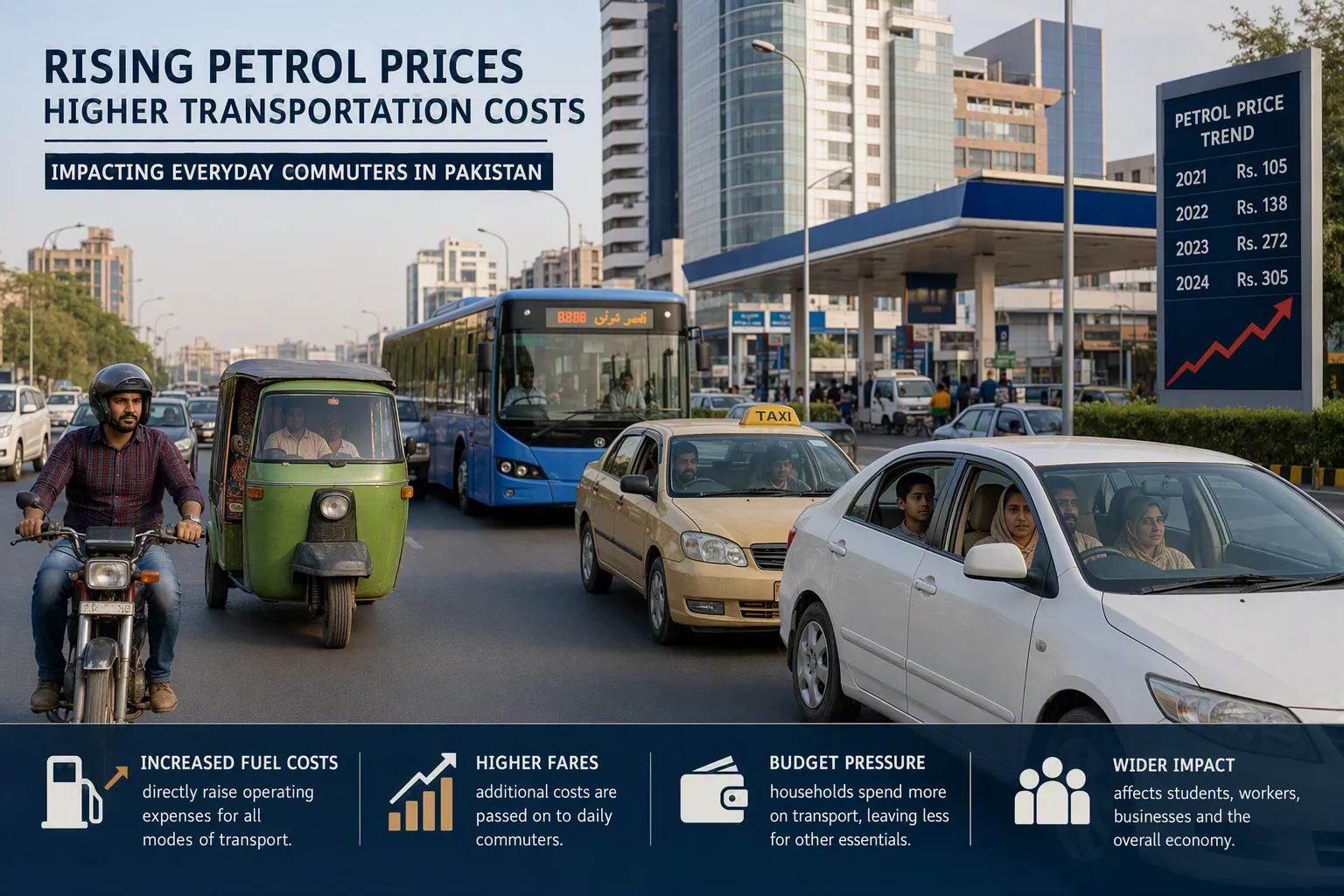
The first and most visible effect of a petrol price increase in Pakistan is transportation.
Motorcycle riders, car owners, rickshaw drivers, taxi operators, buses, vans and commercial vehicles all face higher operating costs when fuel prices rise.
For a daily commuter, the additional cost may initially look small.
Suppose someone spends Rs. 500 per day on fuel. If the effective cost rises by Rs. 50 per day, that person may initially think:
“It’s only Rs. 50.”
But Rs. 50 per working day can become approximately Rs. 1,300 over 26 working days.
That is more than Rs. 15,000 over a year.
That is more than Rs. 15,000 over a year.
The fuel price impact on Pakistanis becomes especially serious for workers who commute long distances. Delivery riders, sales representatives, drivers, transporters and small business owners can experience a much larger increase.
2. Public Transport Fares Can Rise
When bus operators, van owners, rickshaw drivers and other transport providers face higher fuel expenses, they may increase fares.This creates another layer of the fuel price impact on Pakistanis.
This creates a particularly difficult situation for low-income households.
A family may not own a car. But perhaps two family members use public transport every day. If transportation becomes more expensive, the household still pays the fuel-price increase indirectly.
This is one of the most important things people often overlook.
You do not need to own a car to be affected by expensive petrol.
3. Food Prices Can Rise Without a Petrol Price Label
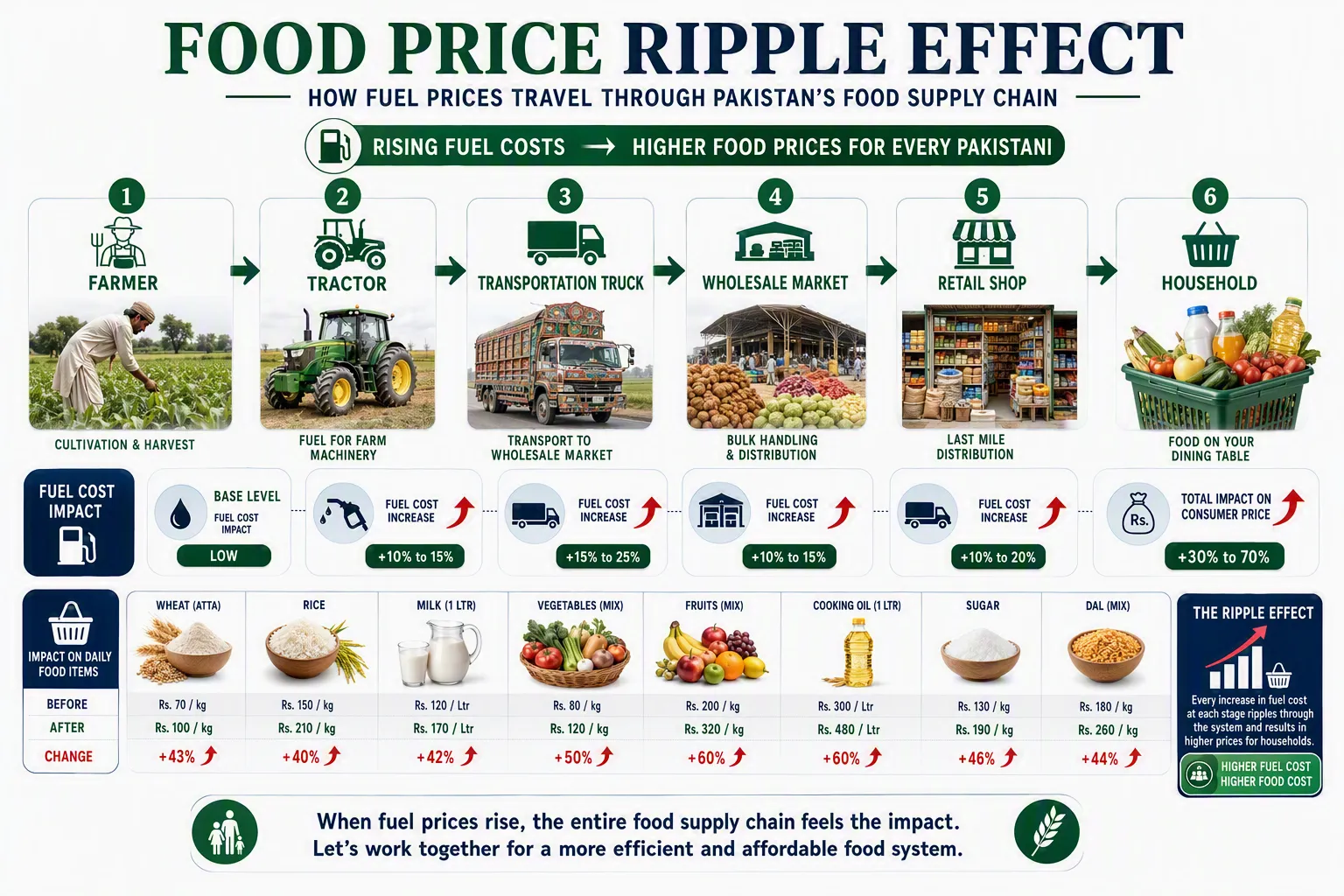
This is where the situation becomes more serious. Almost every food supply chain requires transportation.
- Farm inputs need transportation.
- Harvested crops need transportation.
- Milk needs transportation.
- Meat needs transportation.
- Fruits and vegetables need transportation.
- Packaged food needs transportation.
- Wholesale markets need transportation.
- Retail shops need transportation.
So when fuel becomes expensive, transportation costs can increase throughout the chain.
Pakistan’s official inflation data has already demonstrated this type of connection. In May 2026, PBS reported motor fuels up 55.73% year-on-year, while transport services increased 13.72%.
(Pakistan Bureau of Statistics)
This does not mean every food-price increase is caused by petrol. Weather, imports, exchange rates, production, taxes, and market conditions also matter.
However, the petrol price increase in Pakistan adds another layer of pressure, increasing the fuel price impact on households already struggling with high living costs.
4. The Grocery Bill Can Increase Without People Realizing Why
This is one of the most important hidden effects.
A household may notice that its monthly grocery bill has increased.
But the family may blame:
- inflation
- shopkeepers
- seasonal shortages
- food suppliers
- currency depreciation
- taxes
- market manipulation
Sometimes several factors are responsible simultaneously. Fuel is one of the invisible contributors.
Consider a simple example.
- A retailer purchases goods from a wholesaler.
- The wholesaler purchases them from a distributor.
- The distributor transports them from another city.
The petrol price increase in Pakistan raises transport costs at every stage, showing the wider fuel price impact on consumers. By the time products reach the market, these added costs are spread across the supply chain.
This is why the petrol price increase in Pakistan can affect household budgets far beyond fuel purchases.
5. Small Businesses Get Squeezed From Both Sides
Small businesses are particularly vulnerable.
Consider a bakery.
Its costs may include:
- ingredients
- electricity
- delivery
- employee transportation
- packaging
- supplier transportation
- commercial rent
- equipment maintenance
If fuel prices rise, several of these costs can increase simultaneously. The owner has two choices.
Increase prices OR absorb the additional cost.
If the owner increases prices, customers complain.
If the owner absorbs the cost, profit margins shrink.
This creates a dangerous situation for small businesses, as the petrol price increase in Pakistan increases the fuel price impact on operating costs. Businesses may cut staff, reduce hours, delay expansion, or close altogether.
6. Delivery Charges Become More Expensive
Pakistan’s digital economy has made delivery services an important part of everyday life.
People order:
- food
- groceries
- medicines
- clothing
- electronics
- documents
- parcels
All these services depend on transportation. A petrol price increase in Pakistan raises delivery costs, showing the wider fuel price impact on consumers.
Instead, the customer sees:
“Delivery fee increased by Rs. 50.”
That is another hidden transmission mechanism.
7. School and College Transportation Gets More Expensive
Families with children can also feel the pressure. School vans and private transport operators depend on fuel.
When fuel prices rise, operators may request higher monthly fees.
Parents then have to make difficult decisions.
- Should they accept higher transportation costs?
- Should they change schools?
- Should they arrange shared transportation?
- Should they drive children themselves?
- Should they ask relatives for help?
For a middle-class household, these decisions can gradually increase financial stress.
The Most Dangerous Effect: Purchasing Power Falls
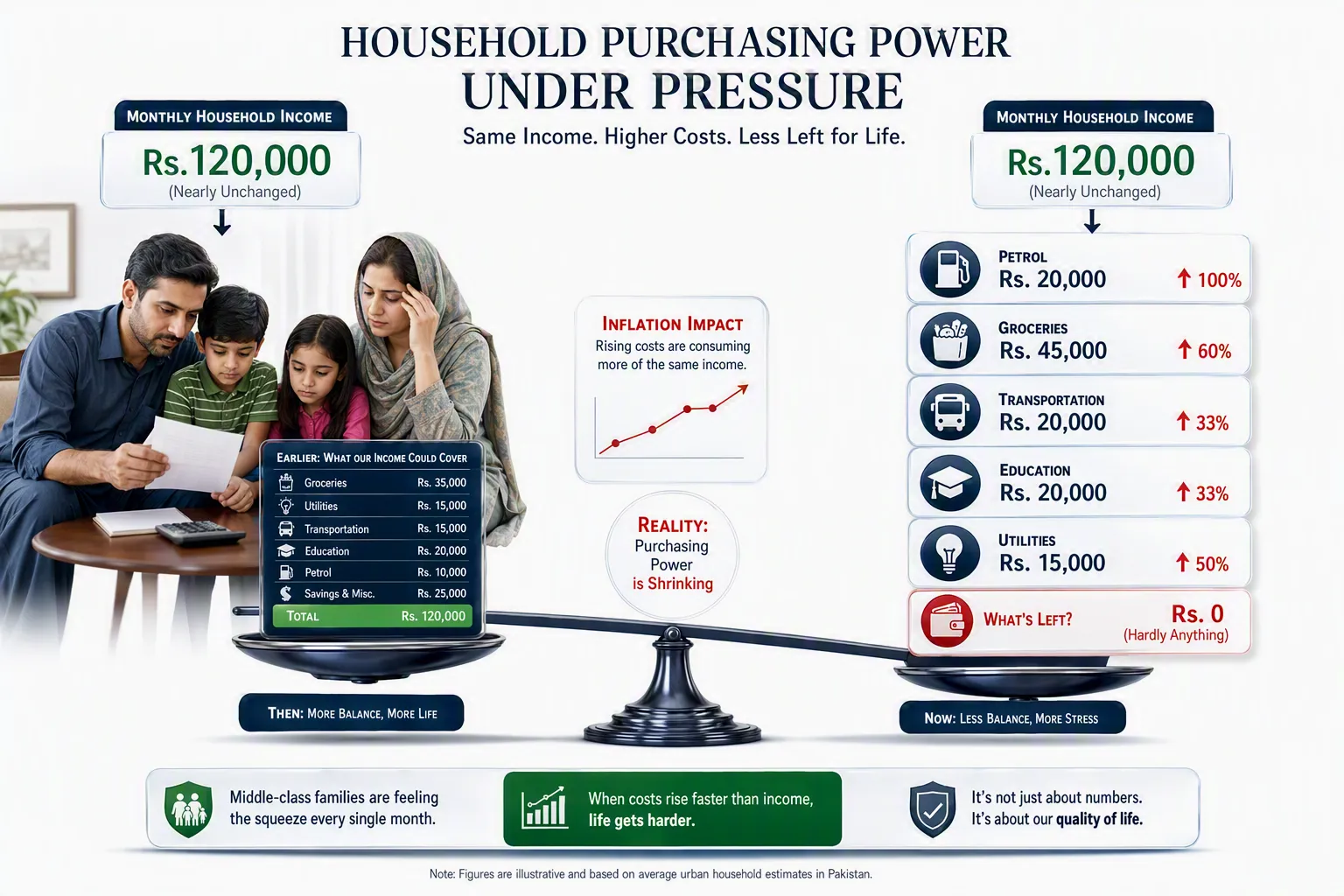
The biggest problem is not always inflation itself. It is lost purchasing power.
Suppose a person earns Rs. 80,000 per month. The petrol price increase in Pakistan can raise fuel, food, and transport costs while the salary stays the same.
This hidden fuel price impact reduces purchasing power, making everyday life more expensive even when the bank balance looks unchanged.
This is the hidden equation:
Same Income + Higher Essential Costs = Lower Real Purchasing Power
That is why fuel inflation can be particularly painful for salaried workers.
Why Fuel Inflation Can Hit Poorer Families Harder?
A wealthy household may be able to absorb a fuel increase but a lower-income household may not.
This is because poorer families generally spend a larger proportion of their income on necessities.
- They have less room to cut.
- They cannot easily eliminate food.
- They cannot stop transportation completely.
- They cannot always reduce electricity consumption significantly.
- They cannot postpone medicine indefinitely.
- They cannot simply increase their salary.
As a result, fuel-driven inflation can become a serious social issue.
The Psychological Effect Is Also Real
There is another effect that receives less attention. Repeated price increases create uncertainty.
Repeated price increasesPeople start asking which create uncertainty.
People start asking:
“What will petrol cost next month?”
Businesses ask:
“What will transportation cost next month?”
Manufacturers ask:
“What price should we quote to customers?”
Retailers become cautious. Consumers become cautious. Investors become cautious.
This uncertainty can reduce economic activity. Hence, everyone becomes cautious and fuel price impact becomes more obvious.
- People postpone purchases.
- Businesses postpone expansion.
- Families reduce discretionary spending.
That can weaken demand across the economy.
Pakistan’s Economy Is Especially Sensitive to Fuel Prices
Pakistan’s dependence on imported energy makes international oil prices and currency movements particularly important.
The domestic price of petroleum products is influenced by international petroleum prices and the exchange rate, among other components. Research on Pakistan’s petroleum pricing has also highlighted that international prices are converted into local currency, meaning exchange-rate movements can affect domestic fuel-price transmission.(Pide)
This creates a double risk.
Risk 1: International Oil Prices Rise
Pakistan needs to pay more for imported petroleum.
Risk 2: The Pakistani Rupee Weakens
The same international oil price becomes more expensive in rupee terms.
Combined Risk
Higher Global Oil + Weaker Rupee = Greater Domestic Fuel Pressure
This is why stabilizing the currency and diversifying energy sources can be as important as managing the retail petrol price itself.
Global Oil Markets Are Making the Situation More Difficult
The current international environment adds another layer of uncertainty. Oil markets in September 2026 have been affected by severe geopolitical disruptions.
Reuters reported on September 9 that Brent crude had moved above $100 per barrel amid escalating U.S.-Iran tensions and concerns surrounding energy infrastructure and Gulf supply routes. (Reuters)
Another Reuters report said the U.S. Energy Information Administration had raised its 2026 oil-price forecasts because of supply disruptions and declining global inventories. (Reuters)
For Pakistan, this matters because international oil-market shocks can eventually reach domestic consumers.
Pakistan cannot control global crude prices, but it can reduce the fuel price impact of a petrol price increase in Pakistan by improving its ability to absorb global shocks.
Why People Often Do Not Notice the Full Impact?
The human brain tends to focus on direct expenses.
A person notices:
“My petrol bill increased.”
But the same person may not immediately connect it to:
- higher vegetables
- higher transport fares
- higher delivery fees
- higher restaurant prices
- higher school transport
- higher construction costs
- higher courier charges
- lower savings
- reduced purchasing power
The problem is spread across many categories. Therefore, the total impact becomes harder to identify.
A Simple Example of the Hidden Cost
Imagine a household experiences the following monthly increases:
| Expense | Additional Monthly Cost |
|---|---|
| Personal fuel | Rs. 2,000 |
| Public transport | Rs. 800 |
| Grocery increase | Rs. 2,000 |
| School transport | Rs. 1,000 |
| Delivery/other transport | Rs. 500 |
| Restaurant/service increases | Rs. 700 |
| Estimated additional burden | Rs. 7,000 |
The family may say:
“Petrol only became Rs. X more expensive.”
But the actual household impact could be several thousand rupees larger.
This is an illustration, not a claim about every household. Actual costs vary according to location, income, commuting distance, family size and consumption patterns.
The Impact on Agriculture Can Be Severe
Fuel is alos very critical to agriculture.
Farmers may require fuel for:
- tractors
- tube wells
- harvest machinery
- transportation
- irrigation
- crop collection
- market delivery
When the petrol price increase in Pakistan raises fuel costs, the fuel price impact can increase agricultural and transportation expenses, eventually making everyday goods more expensive.
This is particularly important for Pakistan because agriculture is connected to both rural employment and national food security.
A fuel shock can therefore become a food-security issue.
The Impact on Industry
Factories also depend on energy and logistics.
Fuel prices can influence:
- raw-material transportation
- distribution
- backup power
- employee transportation
- machinery operations
- logistics
- product delivery
Manufacturers facing higher costs may raise prices. If they cannot raise prices because competitors are keeping prices low, their profit margins shrink.
That can discourage investment. Lower investment can eventually affect employment and economic growth.
The Impact on Inflation Is a Chain Reaction
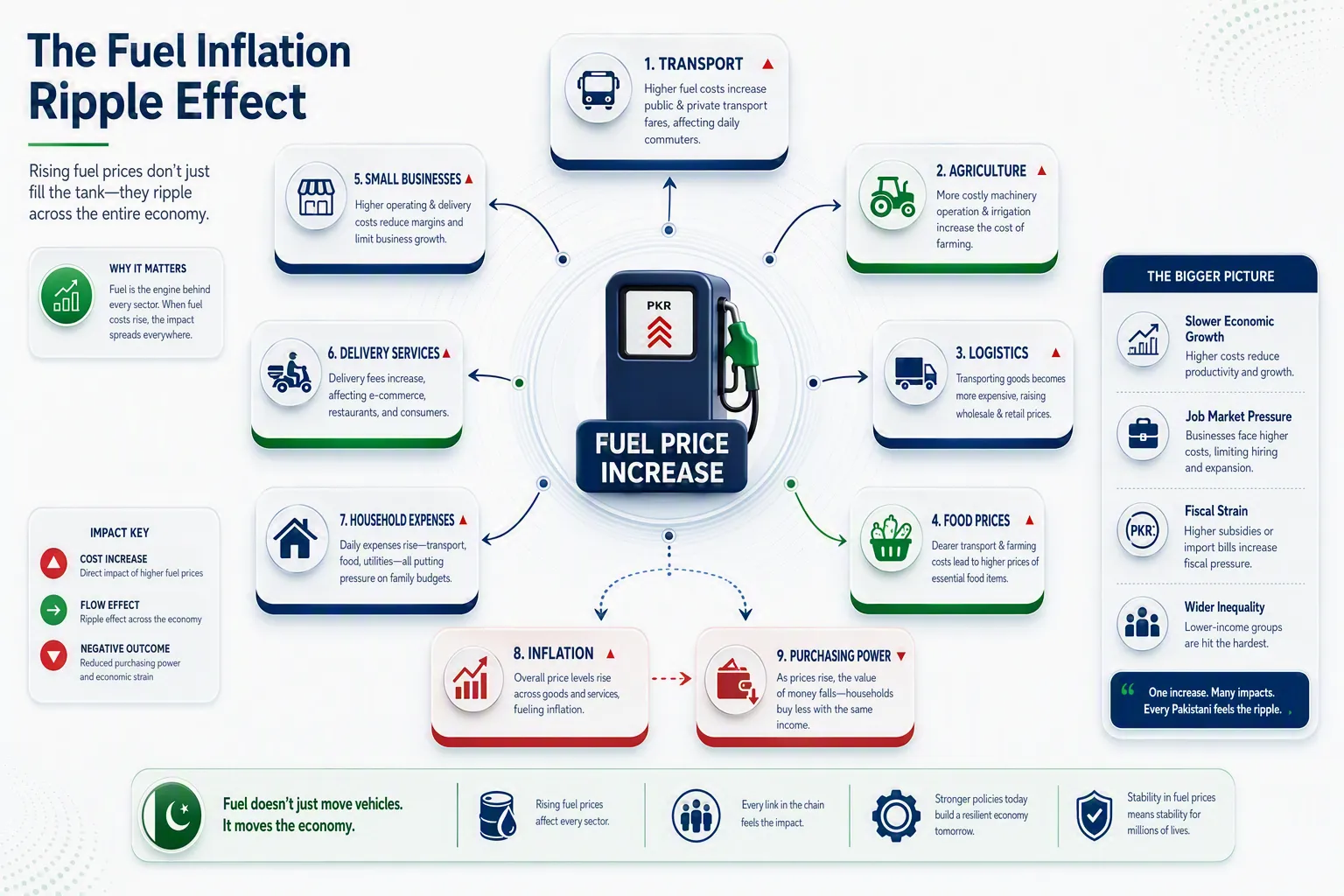
Fuel does not automatically cause every inflationary movement.
However, it can create additional cost pressure.
The process can look like this:
Fuel Price Increase → Transport Costs Increase → Business Operating Costs Increase → Wholesale Prices Increase → Retail Prices Increase → Household Expenses Increase → Purchasing Power Falls → Consumption Weakens → Economic Activity Slows
This is why fuel pricing is a serious macroeconomic issue.
So, How Can Pakistan Tackle the Problem?
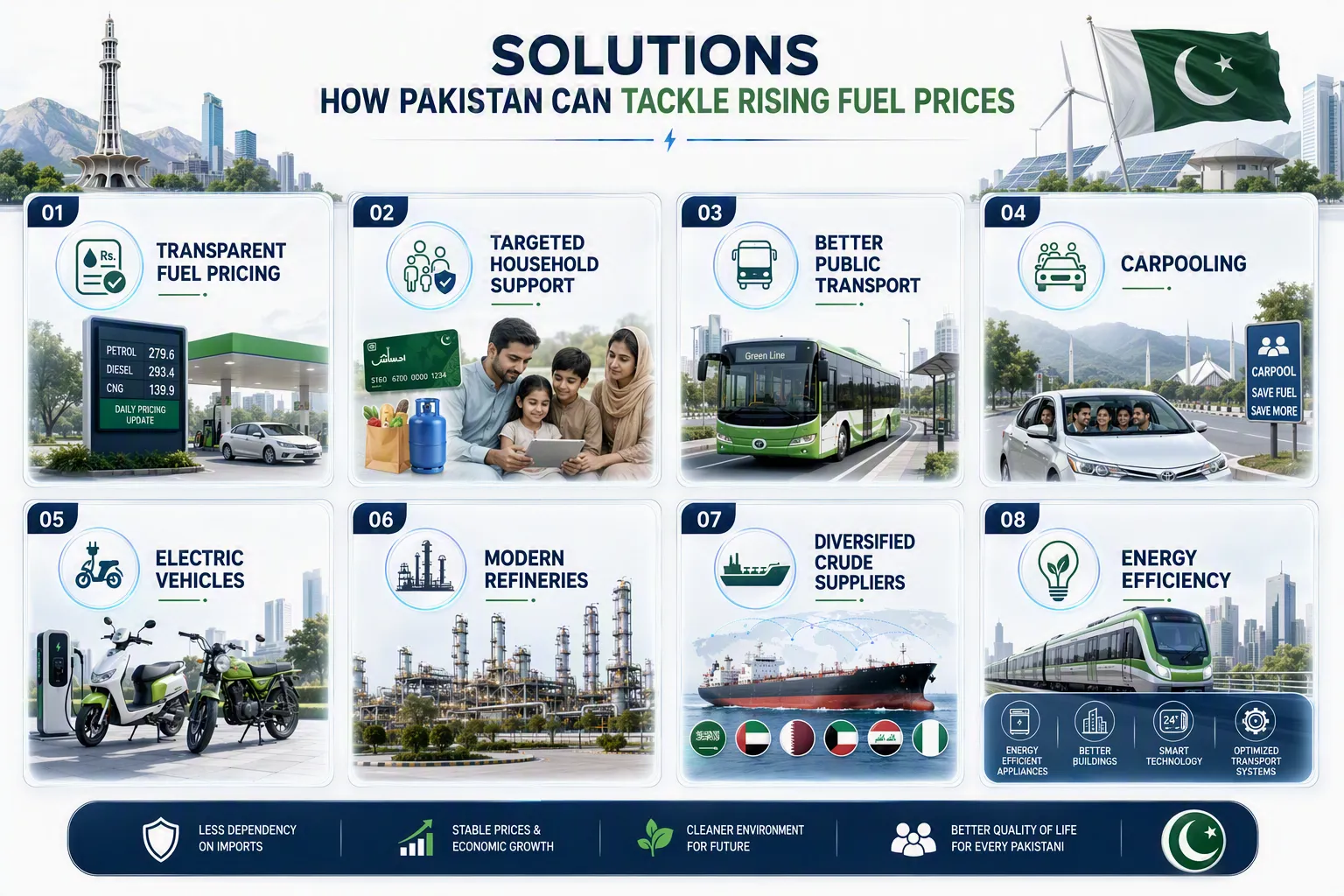
There is no single solution to the petrol price increase in Pakistan.
Reducing its fuel price impact requires action from the government, businesses, and consumers.
1. Improve Price Transparency
People should be able to clearly understand why fuel prices change. A transparent explanation should show major components such as:
- international oil price
- exchange rate
- freight
- refining costs
- taxes
- petroleum levy
- dealer margins
- other applicable charges
The more transparent the calculation, the easier it becomes for citizens to understand genuine market pressure.
2. Protect Low-Income Households
Instead of attempting to keep fuel artificially cheap for everyone, targeted support can be more efficient. Assistance can focus on households that genuinely need it.
This could include targeted transport support or carefully designed cash assistance during major fuel shocks.
The objective should be:
Protect vulnerable people without creating unsustainable fiscal costs.
3. Improve Public Transportation
Better public transportation can reduce household dependence on private vehicles.
Pakistan needs:
- reliable buses
- efficient urban transport
- better route planning
- affordable fares
- safer public transport
- integrated transport networks
If people have practical alternatives to private vehicles, fuel-price shocks become less damaging.
4. Encourage Carpooling
Carpooling can reduce fuel consumption and help manage the petrol price increase in Pakistan.
Sharing one vehicle instead of four can significantly reduce the fuel price impact on daily travel costs.
Companies can encourage:
- employee carpooling
- shared transport
- company buses
- flexible working arrangements
This can reduce commuting costs without requiring major infrastructure changes.
5. Expand Electric and Alternative Transportation
Electric vehicles can reduce exposure to petrol-price volatility. However, Pakistan should approach electrification realistically.
Electric vehicles require:
- charging infrastructure
- reliable electricity
- financing
- local technical skills
- battery supply chains
- appropriate policies
Electric motorcycles may offer particularly interesting opportunities for urban commuters because their operating costs can be significantly different from conventional petrol motorcycles.
6. Modernize Pakistan’s Refineries
Domestic refining capacity is another important part of the long-term solution. Pakistan needs investment in modern refining technology, efficiency and cleaner fuel production.
Recent developments also show why supply diversification matters. Reuters reported in August 2026 that Cnergyico was significantly increasing U.S. crude imports as Gulf supply disruptions highlighted the risks of concentrated sourcing. (Reuters)
Diversification cannot eliminate international oil-price risk. But it can improve supply resilience.
7. Diversify Crude Oil Suppliers
Pakistan should avoid excessive dependence on a single geographic supply corridor. Recent disruptions around the Gulf demonstrate why this matters.
If one major route becomes unreliable, alternative suppliers and logistics arrangements can become extremely valuable.
The goal should not necessarily be to abandon Gulf suppliers. It should be to create a more resilient supplier portfolio.
8. Reduce Energy Waste
The cheapest litre of fuel is often the litre that does not need to be consumed.
Pakistan can reduce fuel demand through:
- fuel-efficient vehicles
- better traffic management
- improved road planning
- efficient logistics
- route optimization
- public transport
- carpooling
- remote work where practical
Even small efficiency improvements can matter when multiplied across millions of vehicles.
9. Businesses Need Better Fuel Management
Businesses can also respond.
Transport companies should monitor:
- fuel consumption per kilometre
- idle time
- delivery routes
- vehicle maintenance
- driver behavior
- load optimization
A poorly maintained vehicle can waste fuel and a poorly planned delivery route can increase fuel consumption also. Technology can help businesses reduce these unnecessary costs.
Businesses should not focus only on cutting fuel consumption. They should also reduce avoidable operational costs. Better websites, SEO, digital marketing, automation, and online customer management can improve efficiency and help businesses remain competitive when fuel and transportation costs rise.
10. Consumers Need to Track the Real Cost of Fuel
Consumers cannot control global oil prices. But they can control some of their consumption.
People should monitor:
- monthly fuel spending
- commuting distance
- unnecessary trips
- vehicle maintenance
- tyre pressure
- route efficiency
- carpooling opportunities
These small changes can become meaningful over time.
The Role of TodayPetrolPrice.com
Reliable fuel-price information also matters. People should not have to discover a price increase only after reaching a petrol station. Tracking current petrol and diesel prices helps households and businesses plan transportation expenses.
A site such as TodayPetrolPrice.com can help consumers monitor current fuel rates, compare changes and understand what those changes mean for their budgets.
You can also use the sites fuel price calculator to estimate how fuel price changes affect a particular journey or vehical.
For current fuel information, readers can also check for the latest news & blog.
The objective should be to help people understand the economic meaning behind that number.
What Can an Ordinary Pakistani Do Today?
People cannot solve Pakistan’s energy problem individually. But households can reduce their exposure.
Start with five steps:
1. Track fuel prices
Know when prices change and understand the direction of the market.
2. Calculate your monthly fuel cost
- Do not rely on memory.
- Record actual spending.
3. Combine trips
Avoid making multiple unnecessary journeys.
4. Share transportation
Carpooling can reduce individual fuel expenses.
5. Review your household budget
When fuel prices rise, identify which expenses are being pushed upward. This turns an invisible problem into a measurable one.
What Businesses Should Do?
Businesses should stop treating fuel as an unpredictable minor expense. Fuel should be part of financial planning.
Companies can create a fuel-price sensitivity analysis.
For example:
| Fuel Increase | Possible Business Response |
|---|---|
| 5% | Review delivery routes |
| 10% | Recalculate transport costs |
| 15% | Review supplier contracts |
| 20% | Adjust pricing and logistics |
| 25%+ | Activate contingency strategy |
The exact response will depend on the business. But planning is better than reacting after costs have already increased.
What Policymakers Should Focus On
Pakistan’s fuel challenge requires a long-term strategy.
A serious national response should include:
- transparent petroleum pricing
- targeted consumer protection
- refinery modernization
- diversified crude suppliers
- stronger public transportation
- energy efficiency
- electric mobility
- better logistics
- currency stability
- strategic fuel reserves
- reduced energy waste
The objective should not simply be to keep petrol prices low temporarily.
The objective should be to make the economy less vulnerable to fuel-price shocks.
Petrol Prices Are an Early Warning System
There is an important way to think about fuel prices. Petrol can act as an early warning signal.
When fuel prices rise sharply, businesses should immediately review logistics costs.
Retailers should monitor supply costs.
Policymakers should monitor inflation risks.
Investors should monitor energy exposure.
The earlier people respond, the less damaging the shock can become.
The Real Problem Is Not Just Expensive Petrol
Pakistan’s fuel problem should not be reduced to the question:
“Why did petrol become expensive?”
The more important question is:
“How much of the economy depends on petrol and diesel, and what happens when those prices rise?”
That is the real issue.
A country that depends heavily on imported fuel is exposed to international oil prices, shipping disruptions, geopolitical conflicts and currency movements.
Pakistan cannot control all of these variables. But it can control how vulnerable its economy is to them.
A More Resilient Pakistan Is Possible
The answer is not to panic whenever petrol prices rise. The answer is to build resilience.
Pakistan needs an economy where a sudden fuel-price increase does not immediately become a food-price crisis.
- It needs transportation systems that give people alternatives.
- It needs businesses that use energy efficiently.
- It needs modern refineries.
- It needs diversified suppliers.
- It needs transparent pricing.
- And it needs policies that protect vulnerable households without creating unsustainable financial burdens.
Most importantly, people need to understand what is happening. Because awareness is the first step toward adaptation.
Final Thoughts: This Is a Serious Matter
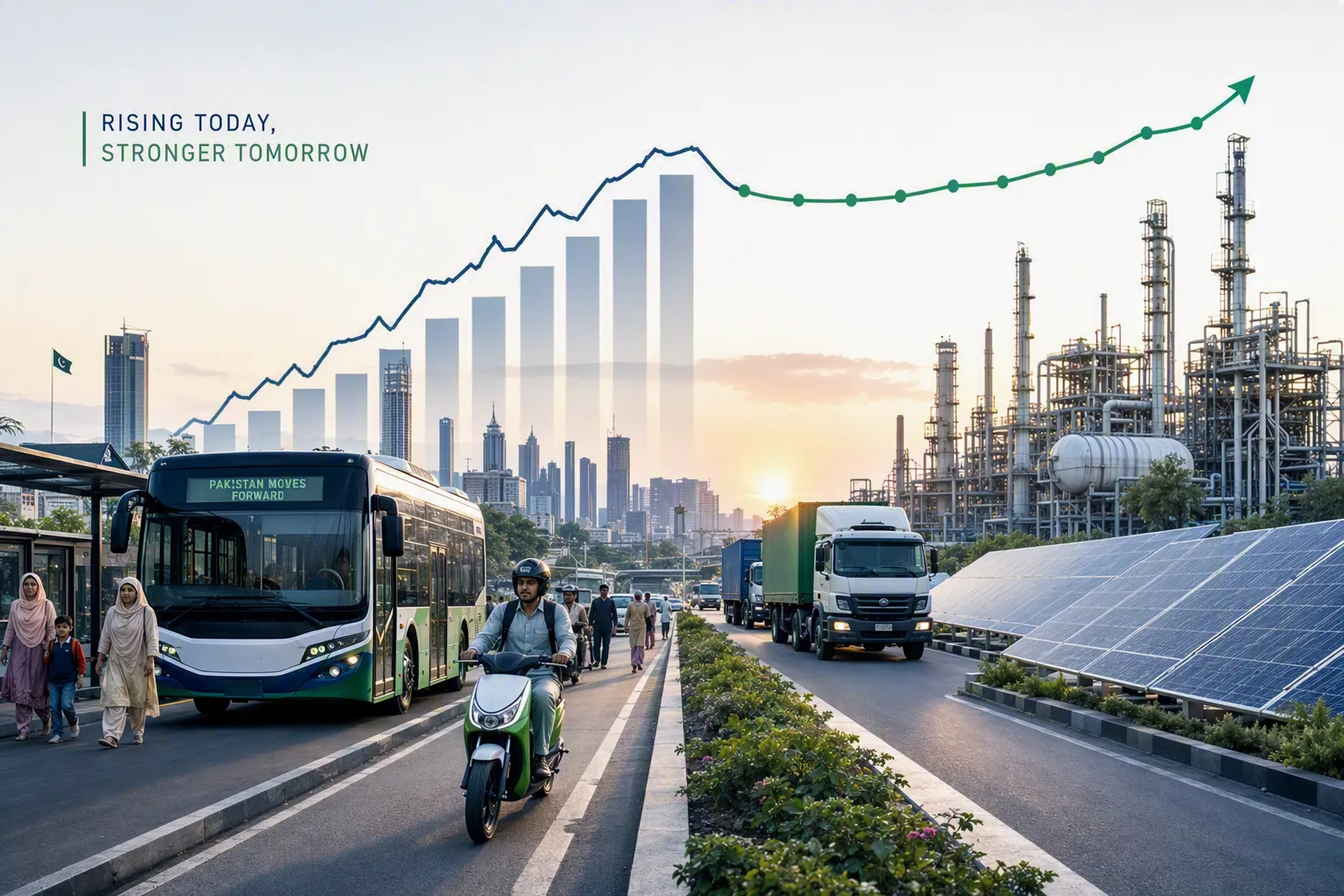
The petrol price increase in Pakistan is much more than a higher number displayed at a petrol station.
- It can quietly reduce household purchasing power.
- It can increase transportation costs.
- It can raise business expenses.
- It can contribute to higher food prices.
- It can squeeze small businesses.
- It can increase delivery and school transportation costs.
- It can reduce savings.
- It can discourage consumption and investment.
And when several of these effects happen simultaneously, the consequences can become much larger than the original fuel-price increase.
Pakistan’s recent experience shows why this issue deserves serious attention. PBS data has documented significant increases in motor-fuel and transport prices during 2026, while international oil markets remain vulnerable to geopolitical disruptions. (Pakistan Bureau of Statistics)
The solution is not simply cheaper petrol. The solution is a more resilient economy that needs less fuel, wastes less energy, has more diversified supplies, protects vulnerable households and gives citizens transparent information.
The next time petrol prices increase, therefore, the question should not only be:
“How much more will I pay at the pump?”
It should also be:
“How much more will this increase cost me everywhere else?”
That is the hidden question Pakistan needs to start asking