Why Fuel Prices Are Changing Frequently in 2026? : Daily Petrol Price in Pakistan
In recent months, the daily petrol price in Pakistan has become one of the country’s most discussed economic topics. Consumers are increasingly noticing frequent fuel price changes instead of the traditional fortnightly revisions. These regular adjustments affect transportation, businesses, household budgets, and overall inflation.
Many people now search for the latest daily petrol price in Pakistan to check current petrol and diesel rates before traveling. Frequent fuel price changes also influence transportation and household expenses.
This article explains why the daily petrol price in Pakistan changes more frequently, who determines fuel prices, the factors influencing these changes, and what consumers should expect in the future.
Why Is the Daily Petrol Price in Pakistan Changing ?
Pakistan imports a significant portion of its petroleum products. Because of this, international market movements directly affect the daily petrol price in Pakistan.
Several factors influence these frequent adjustments.
| Factor | Impact on Fuel Prices |
|---|---|
| Global crude oil prices | Very High |
| Exchange rate | High |
| Petroleum Levy | High |
| Customs & Taxes | Medium |
| Transportation Costs | Medium |
| Refinery Costs | Medium |
| Import Premium | Medium |
When one or more of these factors change rapidly, authorities may adjust the daily petrol price in Pakistan sooner than expected.
International Crude Oil Prices
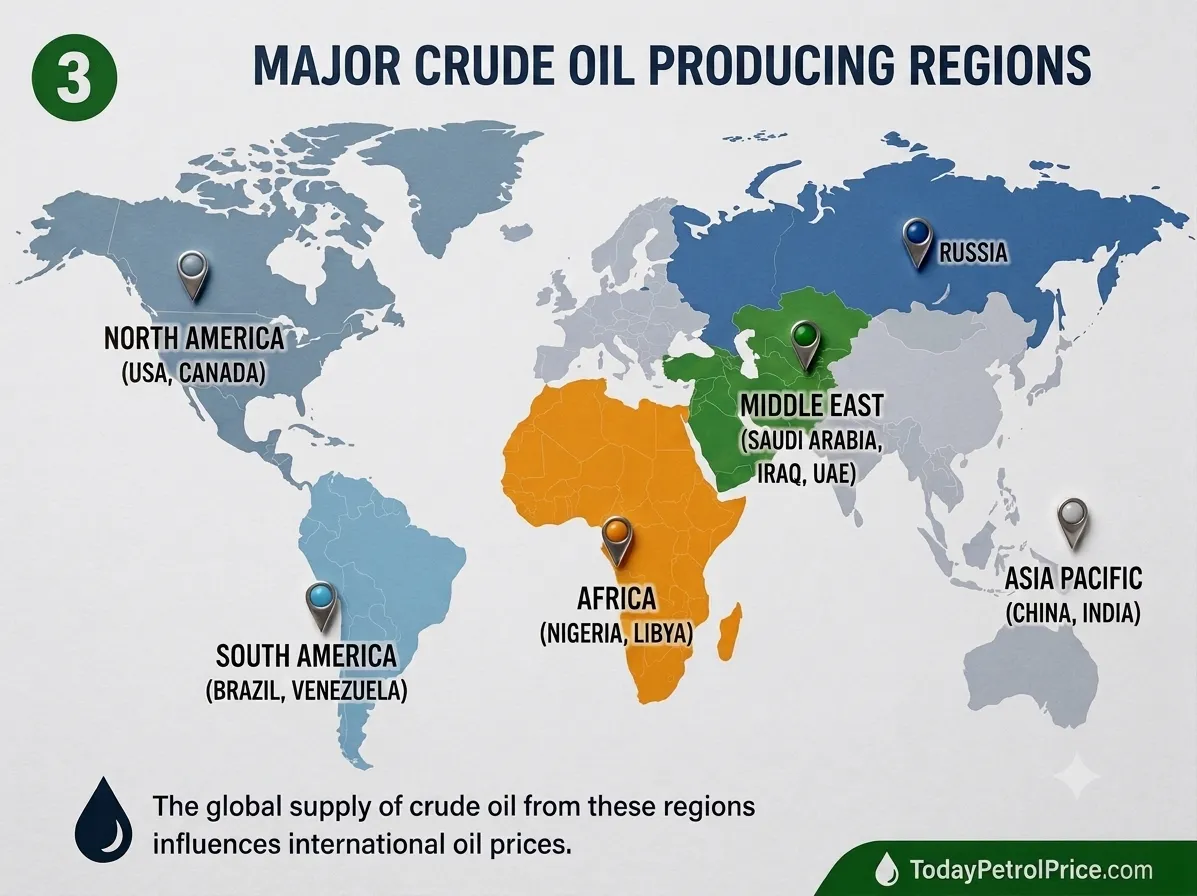
The largest contributor to the daily petrol price in Pakistan is the international crude oil market.
To understand the complete picture, read our guide explaining Why Petrol Prices Increase in Pakistan?
Pakistan purchases crude oil and refined petroleum products from global suppliers. When Brent crude or WTI crude prices increase, Pakistan’s import bill also rises.
Major reasons for rising crude prices include:
• Global demand
• Supply shortages
• OPEC+ production decisions
• Wars and geopolitical tensions
• Natural disasters
• Shipping disruptions
Higher international oil prices eventually increase the daily petrol price in Pakistan.
Dollar Exchange Rate Matters
Another major factor affecting the daily petrol price in Pakistan is the US Dollar exchange rate to PKR.
Since petroleum imports are paid in US Dollars, any depreciation of the Pakistani Rupee increases import costs.
For example:
| USD Exchange Rate | Fuel Import Cost |
|---|---|
| PKR 280/USD | Lower |
| PKR 290/USD | Higher |
| PKR 300/USD | Much Higher |
Even if crude oil prices remain stable, a weaker Rupee can push the daily petrol price in Pakistan upward.
Government Taxes and Petroleum Levy
Taxes remain one of the largest components of the daily petrol price in Pakistan.
These include:
• Petroleum Levy
• Customs Duty
• Dealer Commission
• Inland Freight Equalization Margin (IFEM)
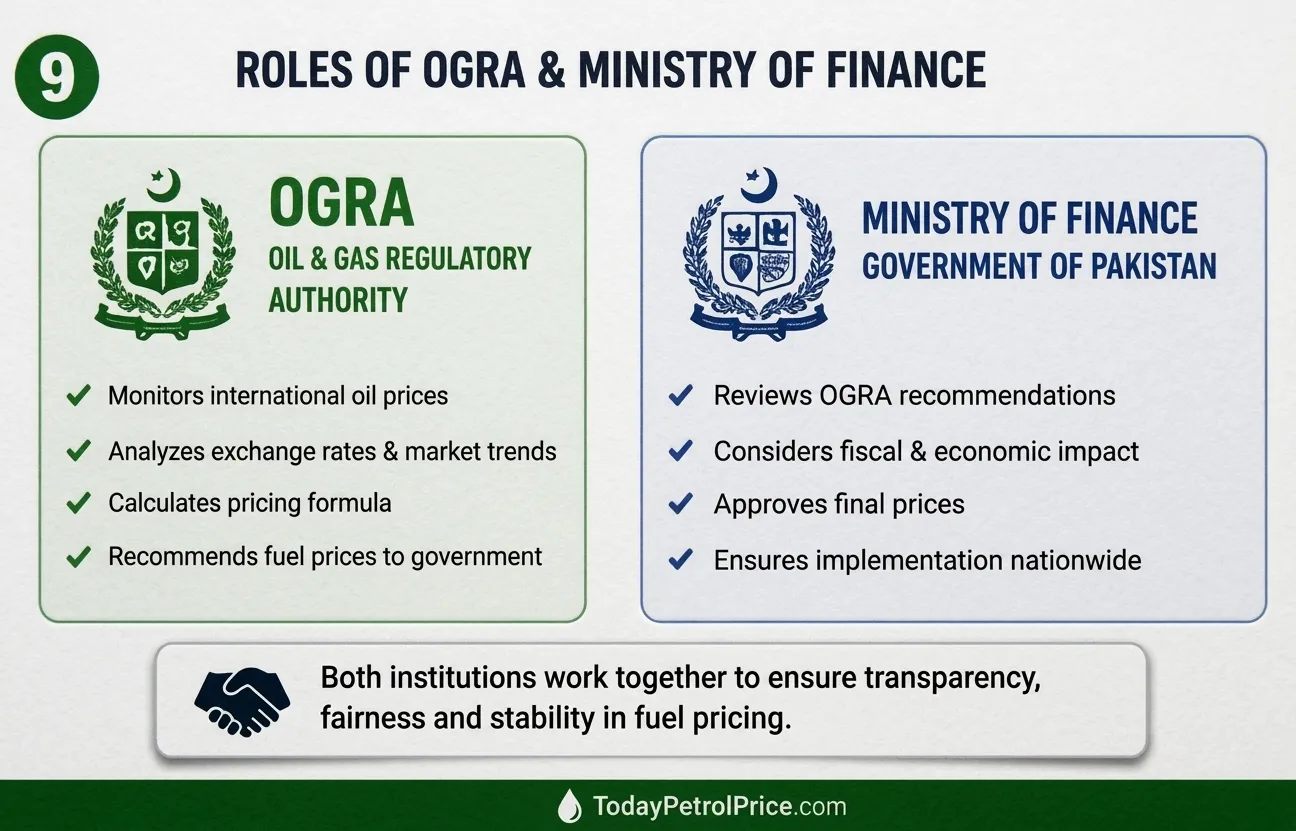
Whenever the government revises these taxes, the daily petrol price in Pakistan changes accordingly under with notifications from the Ministery of Finance.
Transportation and Distribution Costs
Fuel must travel from ports to refineries and then to petrol stations throughout Pakistan.
Distribution expenses include:
• Fuel tankers
• Storage terminals
• Insurance
• Road transportation
• Security costs
Any increase in logistics expenses affects the daily petrol price in Pakistan.
How Daily Fuel Price Changes Affect Pakistan ?
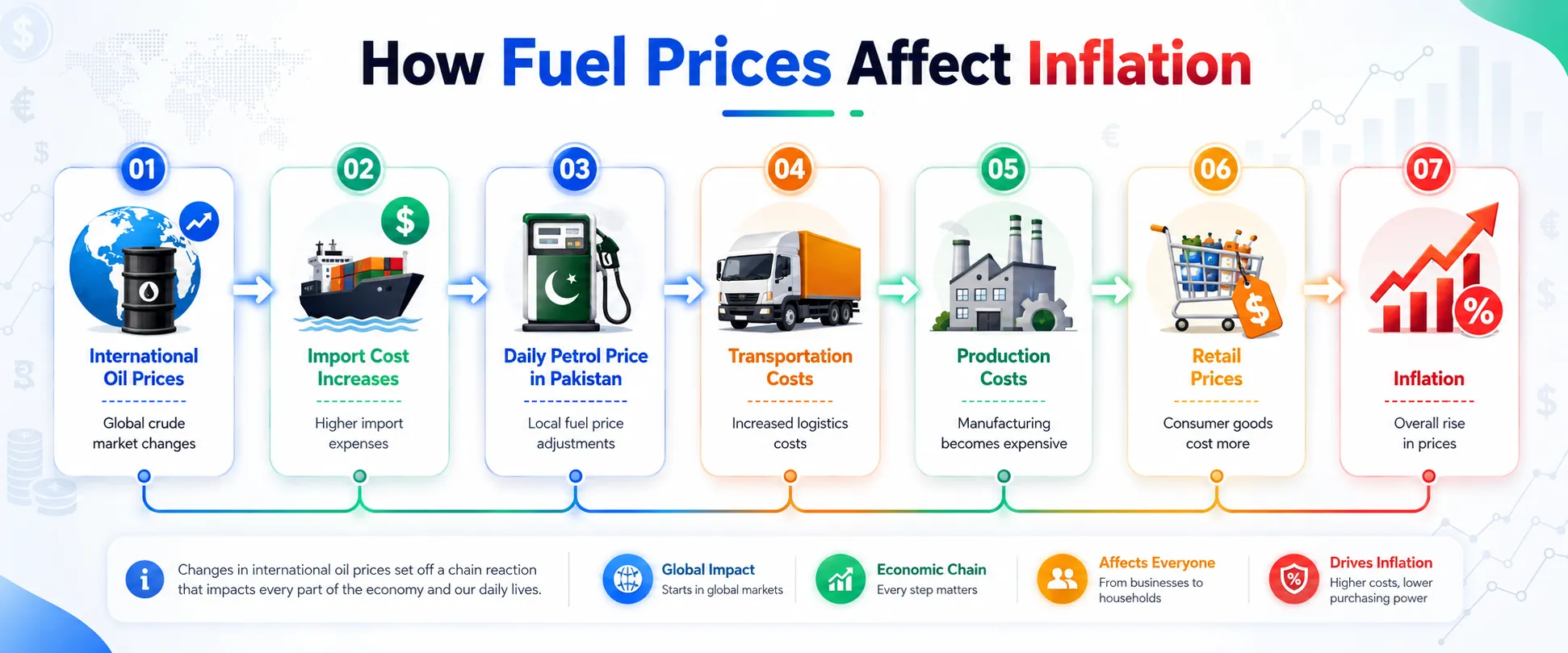
Frequent revisions in the daily petrol price in Pakistan affect almost every sector.
Transportation
Bus fares and ride-hailing services often become more expensive.
Agriculture
Diesel-powered tractors and irrigation systems increase farming costs.
Businesses
Manufacturing and delivery expenses rise.
Household Budgets
Consumers pay more for groceries, transport, and utilities.
Inflation
Higher fuel prices eventually increase the prices of nearly all consumer goods.
How Fuel Prices Affect Inflation ?
Can Fuel Prices Also Decrease ?
Yes.
The daily petrol price in Pakistan may decline if:
• International crude oil prices fall.
• Pakistani Rupee strengthens.
• Government reduces Petroleum Levy.
• Freight costs decrease.
• Global supply improves.
Consumers generally benefit when several of these factors occur simultaneously.
Is Pakistan Moving Toward Dynamic Fuel Pricing?
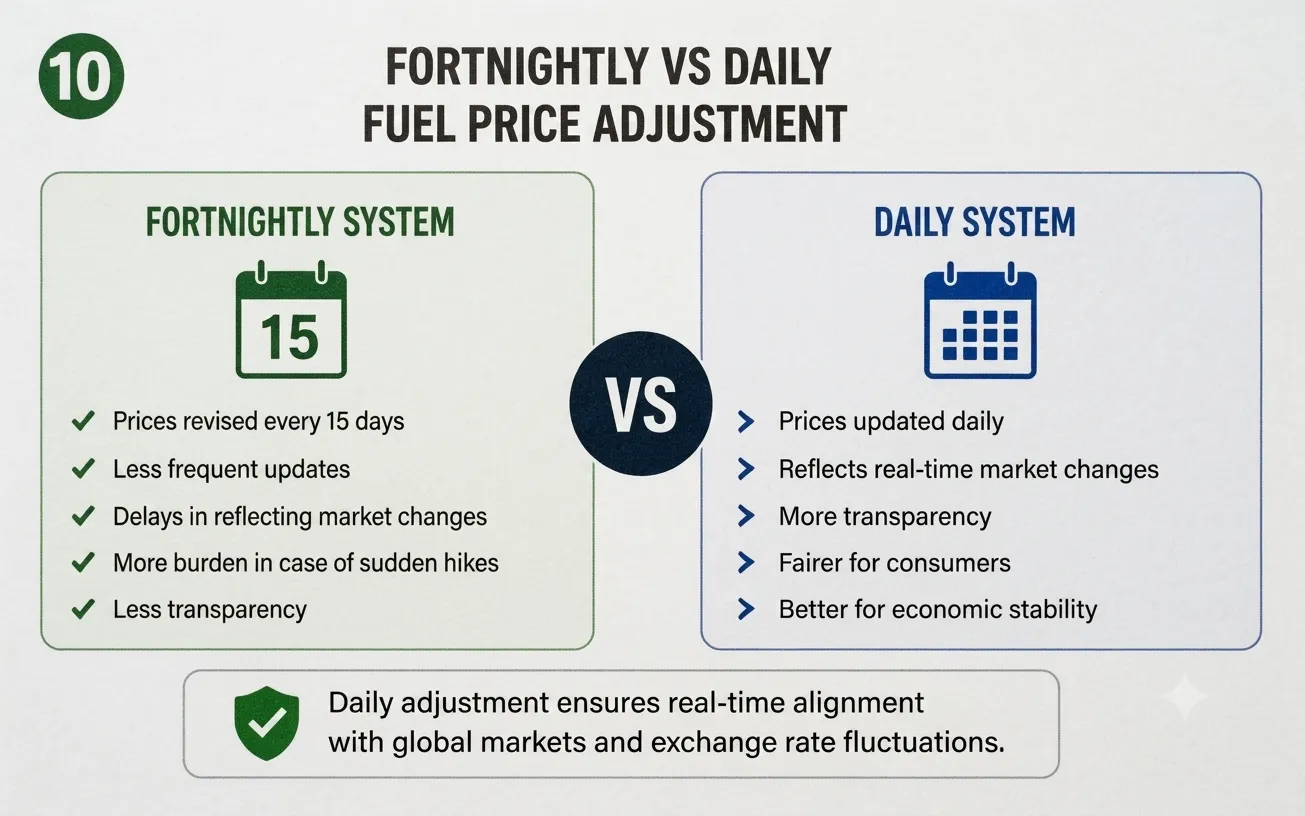
Many countries update fuel prices daily according to international markets.
Pakistan has also discussed adopting more flexible pricing mechanisms to reflect real-time market conditions.
Potential benefits include:
• Better market transparency
• Reduced pricing shocks
• Faster response to global markets
• Improved import cost recovery
However, frequent changes may also make budgeting more difficult for households and businesses.
Tips for Consumers
If the daily petrol price in Pakistan continues changing frequently, consumers can reduce costs by:
• Planning trips efficiently.
• Using public transportation.
• Maintaining proper tire pressure.
• Avoiding unnecessary travel.
• Monitoring official fuel price updates.
• Using fuel-efficient vehicles.
Conclusion
The daily petrol price in Pakistan depends on several interconnected economic factors. International crude oil prices, exchange rate fluctuations, government taxes, petroleum levy, transportation expenses, and OGRA’s pricing recommendations all contribute to daily fuel price movements.
Understanding these factors helps consumers and businesses make informed financial decisions. Keeping track of official announcements and global oil market trends can provide valuable insights into future fuel price changes.
Bookmark our Homepage to check the latest petrol prices, compare the diesel price in Pakistan, and visit our Fuel News & Blog for expert analysis and market updates.