How Rising Diesel Price in Pakistan Affect Wholesale Markets and Transport Costs
How Do Diesel Prices Affect Wholesale Markets?
Diesel price increases raise the operating costs of trucks, trailers, buses, agricultural machinery and goods-delivery vehicles. When transport becomes more expensive, wholesalers, manufacturers and retailers may face higher delivery charges, narrower profit margins and more expensive stock replenishment.
These costs can eventually reach consumers through higher prices for food, construction materials, household goods and other essential products.
Businesses can reduce this pressure by improving vehicle efficiency, combining shipments, avoiding empty return trips, negotiating transparent freight contracts, planning routes and tracking fuel expenses.
However, these measures can reduce costs rather than completely eliminate the effect of higher fuel prices.
Introduction
Pakistan’s wholesale markets rely on diesel-powered transport to move goods from farms, factories, ports and warehouses to retailers. Therefore, changes in the diesel price in Pakistan affect freight charges, wholesale margins and consumer prices.
With fuel-market volatility continuing, businesses should verify official rates through OGRA before revising budgets or freight agreements. Rising global oil prices and tight diesel supplies may add further pressure to transport costs.
Sources: OGRA official price portal and Reuters’ report on global oil-market forecasts.
The central question is straightforward:
when diesel becomes more expensive, how can Pakistan’s wholesale markets continue operating without passing every additional cost on to customers?
Why Diesel Prices Matter to Pakistan’s Wholesale Market?
Diesel is a major operating expense for many commercial transport businesses. Heavy trucks carry large quantities of goods between cities, while smaller delivery vehicles distribute products to shops and local markets.
When the diesel price in Pakistan rises, transport operators must either absorb the additional expense, negotiate higher freight rates or improve efficiency to protect their earnings.
The impact is especially significant for businesses that operate long-distance routes, transport heavy goods or complete multiple deliveries every day.
Consider the following sectors:
- Agriculture: Trucks move wheat, rice, sugarcane, fruit and vegetables from producing areas to wholesale markets and processing facilities.
- Construction: Heavy vehicles deliver cement, bricks, steel, sand and other building materials.
- Manufacturing: Factories rely on inbound deliveries of raw materials and outbound transportation of finished products.
- Retail and distribution: Wholesalers supply grocery stores, pharmacies, markets and supermarkets.
- Livestock and food distribution: Transporters move animals, poultry, dairy products and other perishable goods.
How Higher Diesel Costs Travel Through the Supply Chain?
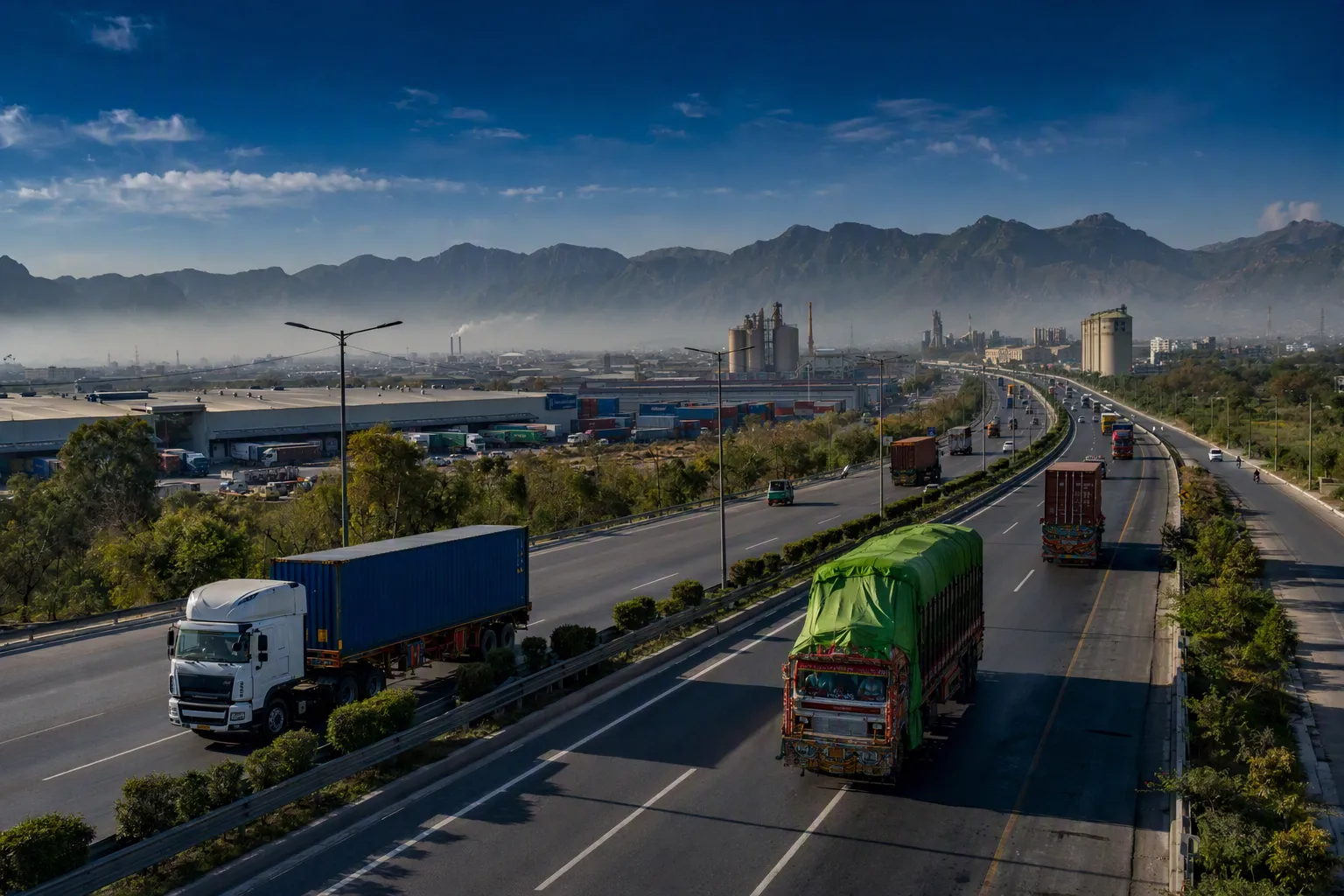
| Supply-chain stage | Effect of higher diesel costs | Possible result |
|---|---|---|
| Farm or factory | Higher delivery costs for raw materials and produce | Lower producer margins |
| Transport company | More spending on fuel per journey | Reduced profit per trip |
| Wholesale market | Higher freight and stock-replacement expenses | Pressure on wholesale prices |
| Retail shop | More expensive replenishment and distribution | Higher retail prices or lower margins |
| Consumer | Potentially higher prices for essential products | Reduced purchasing power |
For example,
A wholesaler buying potatoes from a distant agricultural area may pay more to move each shipment when fuel expenses rise. The wholesaler must decide whether to accept a lower margin, negotiate with the supplier or increase the selling price.
If several transport stages are involved, costs can accumulate. Goods might travel from a farm to a collection centre, then to a wholesale market, and finally to a retailer.
However, higher diesel prices do not automatically mean every product must become more expensive. Existing inventory, competitive pressure, seasonal supply, demand and transport efficiency all influence the final outcome.
The Financial Impact on Truck Owners and Freight Operators
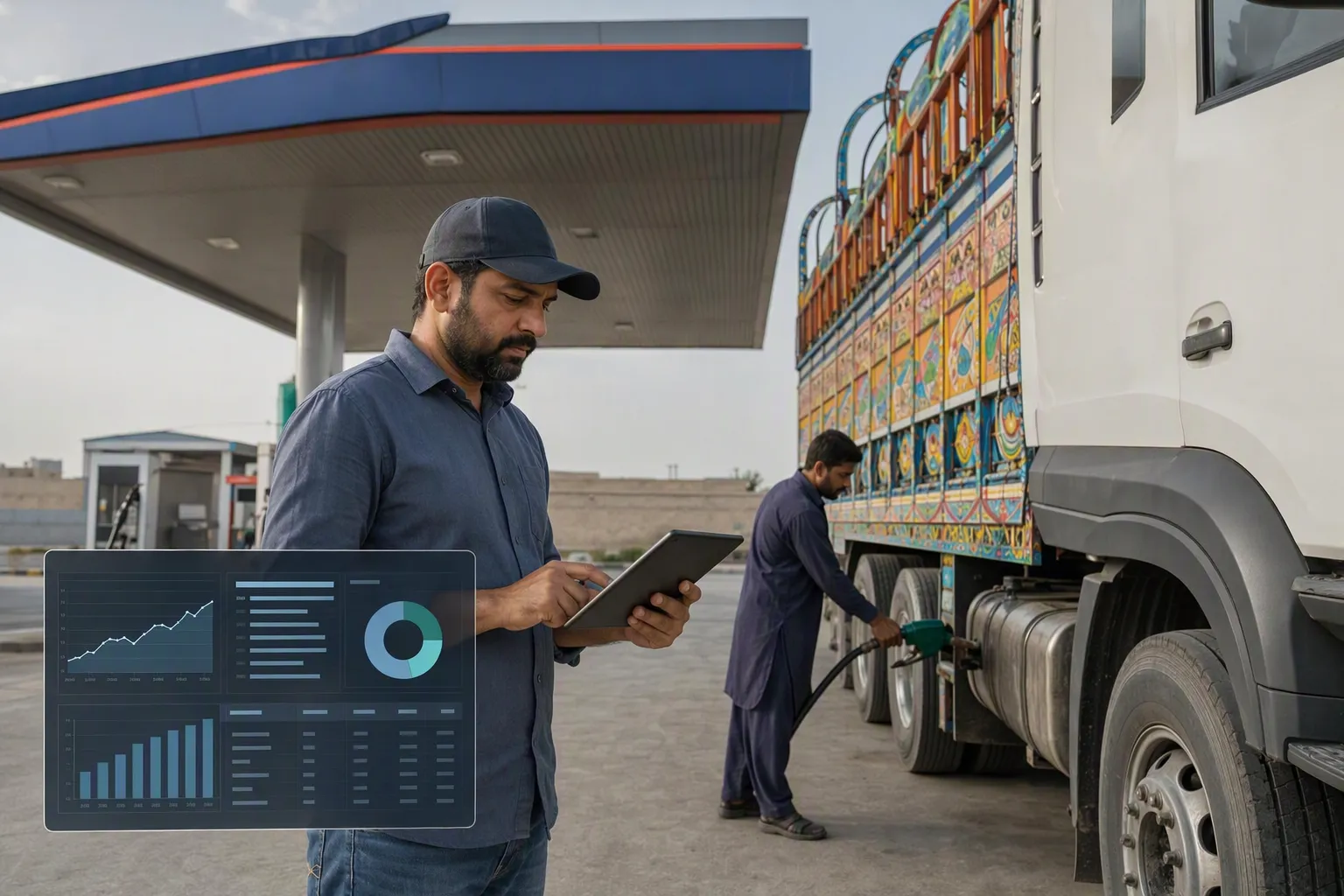
For truck owners, diesel costs directly affect the profitability of each trip.
A vehicle may continue generating revenue while producing less profit because the same journey consumes more expensive fuel.
The following illustrative calculation shows how this works:
Example: What a Rs. 10 Diesel Increase Means for Every Trip
Assume a heavy truck consumes 200 litres of diesel on a particular journey. If diesel increases by Rs. 10 per litre, the additional fuel expense is:
200 litres × Rs. 10 = Rs. 2,000 per trip.
A small rise in the price per litre can quietly add up, so use the slider below to see how the extra fuel cost grows with the number of trips a truck makes each month.
Interactive infographic in green shades showing extra monthly fuel expense for a Rs. 10 per litre diesel price increase at 200 litres per trip, by number of monthly trips.
Illustrative direct fuel expense only, not actual industry averages.
These figures are examples, not measured averages for Pakistani trucks. Actual fuel consumption varies with load, vehicle type, road conditions, distance, traffic and maintenance.
Why Wholesale Prices May Rise Even When Petrol Prices Fall
Petrol and diesel serve different parts of the transport market. Petrol is commonly used in motorcycles and passenger cars, whereas high-speed diesel is widely used by heavy trucks, buses and many commercial vehicles.
A reduction in petrol prices does not necessarily offset higher diesel expenses for businesses that primarily use diesel-powered vehicles.
For instance, a wholesale distributor may operate several heavy trucks but very few petrol-powered vehicles. A small petrol-price reduction offers little direct relief if diesel costs remain high.
This is why businesses should monitor diesel rates separately rather than using petrol-price movements as their only measure of transport expenses.
For verified updates, check TodayPetrolPrice.com and confirm official notifications through OGRA.
Which Wholesale Markets and Industries Are Most Vulnerable?
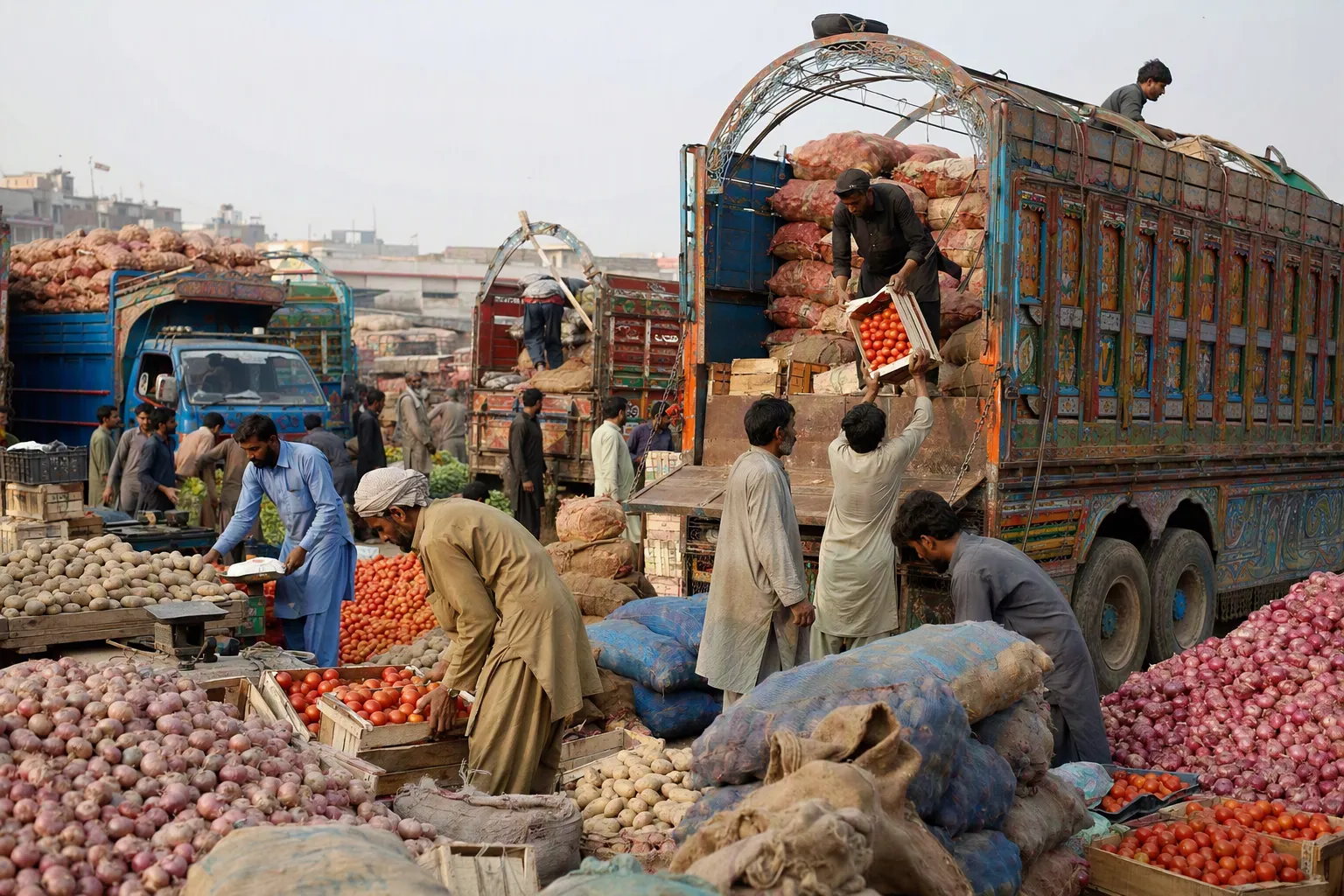
1. Food and vegetable markets
Fresh produce is particularly sensitive to transportation delays and cost increases. Vegetables and fruit often need rapid delivery, careful handling and suitable storage.
If freight becomes more expensive, suppliers may charge wholesalers more. If transporters reduce the number of trips to save money, supply delays may also affect availability.
Nevertheless, seasonal harvests, weather, storage losses and demand can influence produce prices just as strongly as fuel.
2. Cement, steel and construction materials
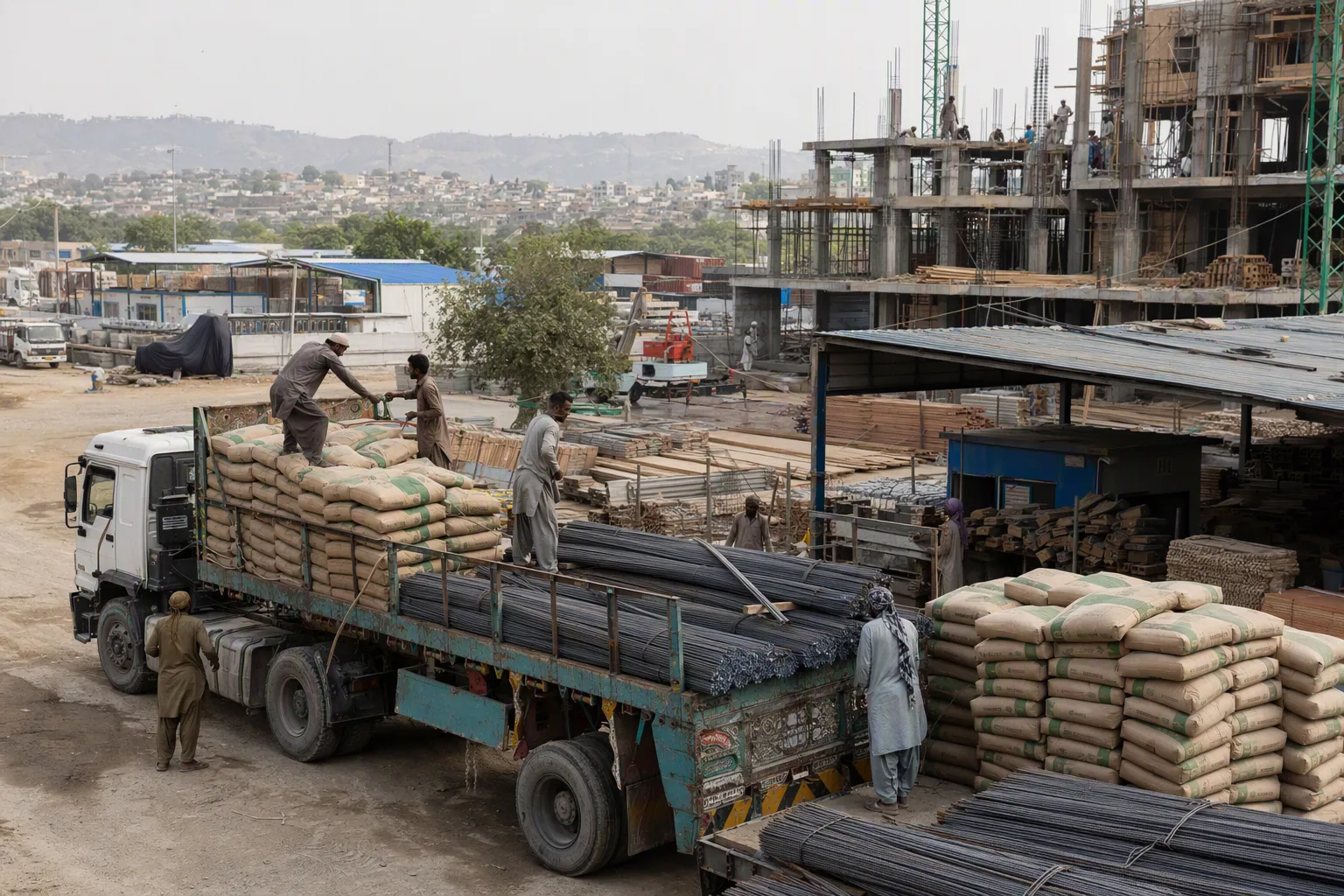
Construction materials are heavy and often transported in bulk. Their delivery costs can represent a meaningful part of the total expense, particularly on long routes.
Higher diesel costs can therefore increase the delivered price of cement, steel and other materials. Contractors may respond by renegotiating supply agreements, consolidating deliveries or adjusting project schedules.
3. FMCG and grocery distribution
Fast-moving consumer goods include flour, cooking oil, packaged food, cleaning products and personal-care items. These products travel through warehouses, distributors, wholesalers and retail outlets.
When delivery costs increase across multiple stages, businesses may experience higher operating expenses even if their suppliers have not changed the factory-gate price.
Large distributors may negotiate better freight rates because they move substantial volumes. Smaller wholesalers can face greater pressure because they have less bargaining power and fewer options for combining loads.
4. Agriculture and rural supply chains
Farmers often need to transport crops to processing facilities or wholesale markets. They may also depend on diesel-powered tractors, pumps or other machinery, depending on the operation.
Higher fuel expenses can reduce the amount farmers earn after production and transportation costs. In some cases, producers may postpone deliveries or seek buyers closer to their farms.
The final impact varies according to crop type, harvest conditions, irrigation methods, local competition and the distance to market.
How Can Transport Businesses Compensate for Higher Diesel Prices?

1. Optimise delivery routes
- Plan routes to avoid unnecessary distance, heavy congestion and repeated journeys. Where possible, schedule multiple nearby deliveries on one trip.
- Route planning saves fuel when it reduces total kilometres travelled without creating excessive delays or additional handling expenses.
2. Reduce empty return trips
A truck that carries goods to a destination and returns empty earns revenue for only one direction of travel.
Transporters can work with freight brokers, distributors and other businesses to find suitable return loads. A reliable backhaul arrangement can spread the cost of a round trip across more paid deliveries.
Safety, timing, cargo compatibility and vehicle capacity must remain priorities.
3. Combine shipments
Wholesalers can coordinate orders to consolidate smaller deliveries into fuller loads.
For example, two businesses receiving supplies from the same distribution centre might arrange a shared delivery where commercially practical. This reduces duplicated journeys and may lower the transport cost per unit.
However, consolidation should not cause unacceptable delays, product damage or stock shortages.
4. Maintain vehicles properly
- Incorrect tyre pressure, poorly maintained engines, blocked filters and mechanical problems can increase fuel consumption.
- Regular servicing, correct tyre inflation, sensible driving speeds and avoiding unnecessary idling can help vehicles operate more efficiently.
- Businesses should measure actual fuel economy before and after maintenance instead of assuming that every repair produces the same savings.
5. Use transparent fuel-adjustment clauses
Transport companies can negotiate contracts that specify how freight charges respond to verified fuel-price changes.
A clear fuel-adjustment formula helps both parties understand the additional expense. It can reduce disputes and avoid arbitrary freight increases.
The agreement should define the reference diesel price, the adjustment interval, the route or vehicle category and the method used to calculate the change.
6. Track fuel costs per kilometre and per delivery
Businesses should record fuel purchases, kilometres travelled, load weight, delivery revenue and maintenance expenses.
These records help identify inefficient vehicles, unprofitable routes and customers whose delivery requirements create unusually high costs.
A simple spreadsheet can provide useful insights before a business invests in expensive fleet-management software.
7. Negotiate bulk purchasing carefully
Larger transport operators may be able to negotiate commercial fuel arrangements or improve purchasing terms. Smaller operators can explore lawful cooperative purchasing arrangements where suppliers permit them.
However, bulk purchasing does not guarantee savings if storage, financing, handling or compliance costs outweigh the discount.
8. Review delivery frequency and inventory
Some wholesalers can reduce emergency trips by forecasting demand and planning replenishment more effectively.
Maintaining appropriate stock levels can prevent repeated small deliveries. Yet excessive inventory ties up working capital and may cause spoilage, damage or storage costs.
The goal is to balance reliable supply with efficient transport—not simply to order as much stock as possible.
How Can Wholesalers Protect Their Profit Margins?
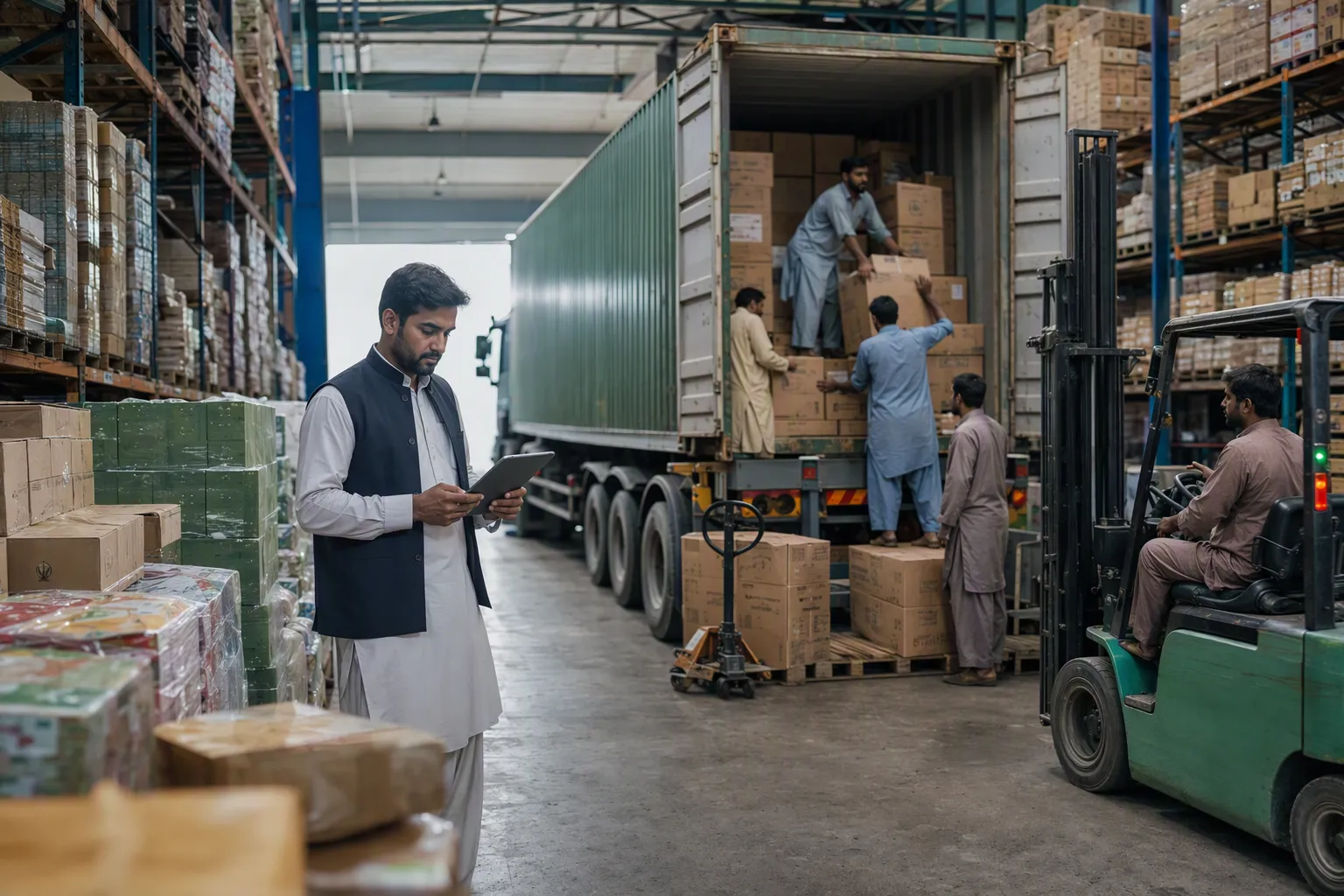
Transporters are not the only businesses affected by diesel expenses. Wholesalers can also make operational changes to limit the pressure.
| Strategy | How it helps | Main consideration |
|---|---|---|
| Negotiate supplier delivery terms | Shares or clarifies transport costs | Confirm who pays each charge |
| Consolidate purchase orders | Reduces repeated shipments | Avoid excessive stockholding |
| Improve demand forecasting | Prevents urgent deliveries | Keep forecasts updated |
| Compare freight quotations | Identifies competitive rates | Compare service quality as well as price |
| Review product margins | Shows which items absorb higher costs | Avoid unjustified price increases |
| Reduce handling and storage delays | Improves vehicle turnaround | Coordinate staff and receiving times |
Wholesalers should also distinguish between a temporary increase in freight costs and a lasting change in operating expenses.
Passing every cost increase to customers may protect margins in the short term but reduce sales if competitors can offer better prices. Absorbing every increase may preserve customers temporarily but threaten the business’s financial health.
A balanced approach combines verified cost calculations, reasonable negotiations and efficiency improvements.
Will Higher Diesel Prices Increase Inflation in Pakistan?
They can contribute to inflation, but the effect is neither automatic nor uniform.
Diesel is an input into freight transportation and several productive activities. When transport becomes more expensive, businesses may increase selling prices, reduce profit margins or change sourcing decisions.
The effect can spread from freight charges to food distribution, construction materials, manufacturing inputs and retail operations.
Pakistan’s government has also acknowledged the connection between fuel costs, transportation fares and essential commodity prices.
In an April 2026 statement, the Ministry of Planning reported that a National Price Monitoring Committee meeting had addressed inflationary pressures following a fuel-price increase and reviewed transport fares and essential commodities.
Read the official Ministry of Planning statement.
However, the scale of inflationary pressure depends on several factors:
- How large and persistent the fuel-price increase is.
- How much fuel contributes to a product’s total delivered cost.
- Whether businesses can improve transport efficiency.
- Whether competing suppliers absorb some additional expenses.
- Whether domestic production and market supply remain sufficient.
- Whether exchange rates, taxes, energy prices or other input costs also change.
For this reason, fuel-price changes should be considered alongside other economic indicators rather than treated as the sole explanation for every price increase.
What Should the Government and Regulators Do?
Businesses can improve efficiency, but they cannot independently control international oil prices or every domestic cost.
Public policy can help make the transport system more resilient through practical measures.
1. Improve price transparency: OGRA and the Ministry of Energy (Petroleum Division) should remain key reference points for official petroleum notifications. Clear information helps transporters and wholesalers plan budgets and verify price changes.
2. Monitor freight and essential commodity prices: Relevant authorities can identify unusual price movements and investigate evidence of unlawful practices without assuming that every freight increase is unjustified.
3. Improve logistics infrastructure: Better roads, efficient freight terminals, organised wholesale markets and smoother port-to-warehouse connections can reduce delays and wasted fuel.
4. Support targeted assistance where justified: If fuel costs create exceptional hardship for vulnerable groups or essential supply chains, temporary, transparent and properly targeted support may provide relief. Any programme should have clear eligibility criteria and public reporting.
5. Encourage efficient freight systems: Digital freight matching, better load planning, vehicle maintenance and coordinated distribution can reduce avoidable operating expenses.
A sustainable response should improve productivity and protect vulnerable consumers without creating unnecessary fiscal pressure or distorting market incentives.
A Practical Fuel-Cost Calculator for Transporters
Transport businesses do not need complicated software to estimate the direct effect of a diesel-price change.
Use this formula:
Additional fuel expense = Fuel consumed per trip × Change in diesel price per litre
For example, if a vehicle uses 150 litres per trip and diesel rises by Rs. 8 per litre:
150 × Rs. 8 = Rs. 1,200 in additional fuel expense per trip.
For 40 similar trips, the additional expense would be Rs. 48,000, assuming fuel consumption and the price change remain the same.
To estimate the increase per tonne of cargo, divide the additional trip expense by the tonnes carried. If the additional cost is Rs. 1,200 and the truck carries 10 tonnes, the added fuel expense is Rs. 120 per tonne.
These calculations measure only the direct fuel-price effect. They do not include changes in wages, tolls, maintenance, financing, loading costs or other expenses.
Businesses should use their own fuel records and the applicable official diesel rate to create a realistic operating budget.
Or you can use our Fuel Price Calculator to calculate your estimated fuel costs based on current petrol or diesel prices, your vehicle’s average fuel consumption, and your travel distance.
Fuel Cost Calculator
Calculate your estimated fuel consumption and trip cost.
What Lies Ahead for Pakistan’s Wholesale Markets?
The outlook will depend on domestic fuel notifications, international oil prices, currency movements, freight demand and the ability of businesses to improve efficiency.
In October 2026, Reuters reported that the U.S. Energy Information Administration had raised its oil-price forecasts amid tight diesel markets and risks to global oil flows. Such international developments can influence the outlook for fuel-importing economies, although the effect on Pakistan’s retail prices depends on domestic pricing decisions and other cost components.
For Pakistani wholesalers, waiting for fuel prices to fall is not a complete business strategy. Companies can prepare for uncertainty by monitoring official notifications, maintaining accurate records, negotiating flexible freight agreements and improving delivery planning.
The diesel price in Pakistan is important, but so is the amount of diesel consumed to move each unit of goods. Businesses that manage both factors carefully are better placed to protect their margins.
Conclusion
Changes in diesel prices affect Pakistan’s wholesale markets through transport expenses, delivery charges, supply-chain efficiency and business profit margins. The resulting pressure can reach consumers, particularly in markets that depend on frequent or long-distance deliveries.
The most effective response is a combination of fuel-efficient operations, consolidated shipments, return-load planning, transparent freight contracts and careful inventory management. Government agencies can complement these efforts through reliable price information, logistics improvements and targeted measures where evidence supports them.
For the latest petroleum notifications and market updates, follow TodayPetrolPrice.com. Use official OGRA price publications to verify notified rates before making commercial decisions.
Frequently Asked Questions (FAQ’s)
1. How do diesel prices affect wholesale markets in Pakistan?
2. Why is diesel more important than petrol for heavy transport?
3. How can transporters compensate for higher diesel prices?
4. Do higher diesel prices always increase food prices?
5. How can wholesalers reduce transport expenses?
6. How can I calculate the impact of a diesel-price increase on my business?
7. Where can businesses verify the latest diesel price in Pakistan?
8. Can the government help reduce the impact of diesel prices on transport costs?
References and further reading
- OGRA — Official petroleum-price publications
- Ministry of Energy (Petroleum Division), Government of Pakistan
- Reuters — Global oil-price outlook and tight diesel supplies, 6 October 2026
- Ministry of Planning — Fuel-price increases, transportation fares and inflationary pressures, 4 April 2026
- TodayPetrolPrice.com — Pakistan fuel-price updates